
PDF workflows have changed a lot over the last few years. People no longer use PDFs just for reading or downloading files. Freelancers, agencies, educators, legal teams, and remote businesses constantly edit, sign, share, protect, and organize documents online. Contracts, proposals, reports, onboarding forms, presentations, and branded client materials move between devices every single day. Users now expect fast browser-based workflows instead of slow desktop-heavy software.
Modern PDF platforms solve very different workflow problems. Some focus on lightweight editing and watermarking. Others lean into signatures, collaboration, document routing, or business-focused file management. Interface design, editing flow, cloud access, and flexibility often matter more than feature count alone. The seven tools below were selected because they approach PDF workflows from noticeably different angles. Here is how they compare.
Top 7 PDF Platforms That Handle More Than Basic Editing
Some users only need quick browser-based edits. Others work with approvals, signatures, branded PDFs, or collaborative document workflows every day. The platforms below do not overlap completely in how they approach PDF handling. A few prioritize speed and simplicity. Others focus more on business structure, organization, or multi-step editing routines. Here is a quick preview:
- Watermarkly for lightweight browser watermarking and fast file handling;
- Foxit for structured PDF editing and business-focused workflows;
- Nitro PDF for office-oriented document management and collaboration;
- PDFelement for balanced editing, conversion, and organization tools;
- DocHub for browser-based signing and document sharing;
- Xodo for mobile-friendly workflows and lightweight editing.
Each platform below fits a different type of editing environment. None of them solve the exact same problem.
1. Watermarkly
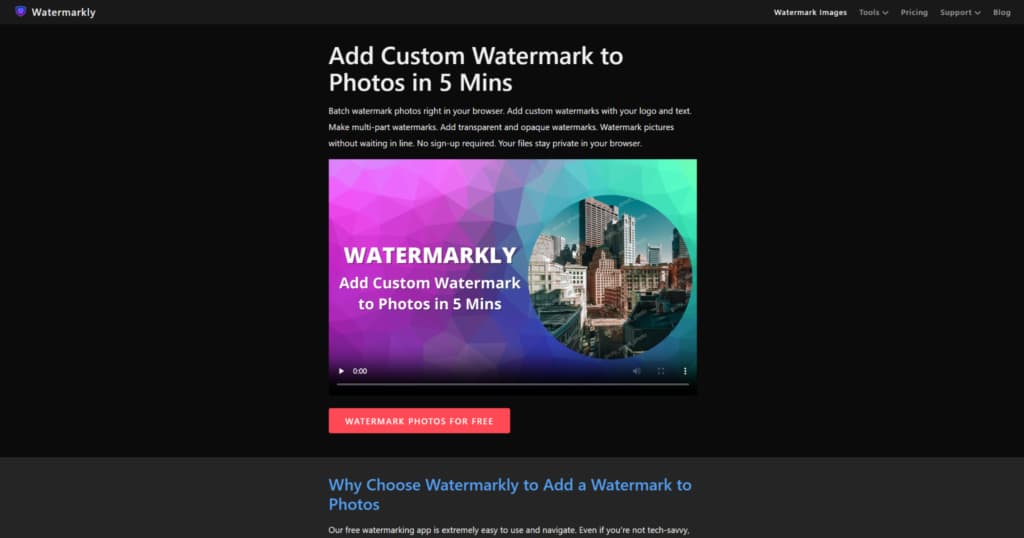
Watermarkly is a browser-based platform built around fast watermarking and lightweight editing. You can add text or logo overlays to PDFs without registration or software installation. The interface stays approachable even for beginners while still working smoothly for repetitive editing sessions. Freelancers, creators, educators, and small businesses handling branded files regularly will find the speed-first workflow useful.
Works Especially Well For
Watermarkly fits users handling batches of PDFs, presentations, educational files, and client materials throughout the day. The platform works best when you want quick editing without complicated document systems or account-heavy workflows. Simplicity is part of the appeal, not a limitation.
The platform removes many of the small delays and interruptions that slow down repetitive browser editing sessions. Key advantages include:
- Browser-based PDF watermarking with no installation;
- Support for text and logo overlays;
- Batch processing across multiple PDFs;
- Mobile access with free daily processing options;
- Additional resizing, cropping, and compression tools.
Watermarkly feels practical because it avoids unnecessary complexity. Users spend more time editing files and less time navigating menus, accounts, or setup steps.
2. Foxit
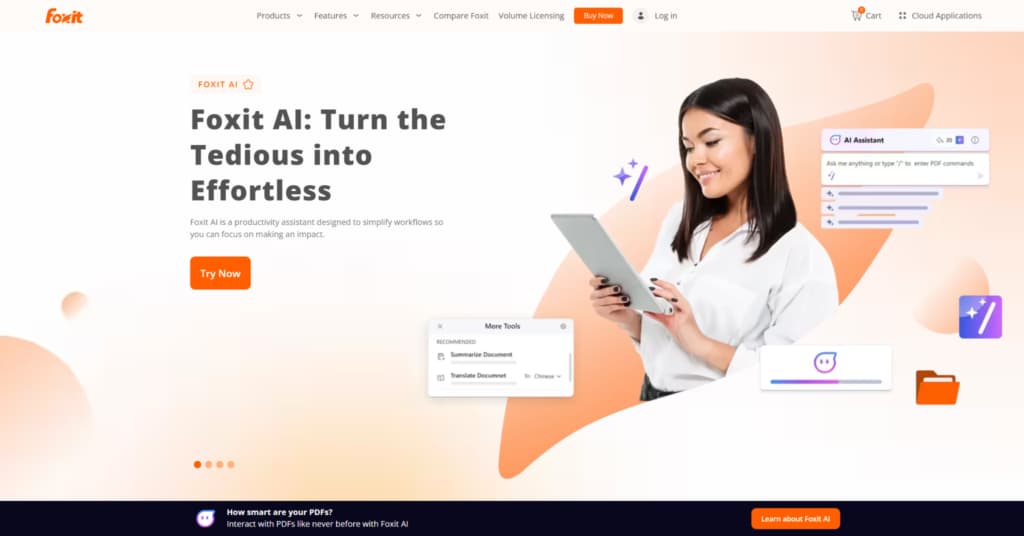
Foxit is a more structured PDF editing environment aimed at business and professional workflows. Watermarking exists alongside collaboration, security, signing, and broader document organization tools. The platform feels closer to a professional office suite than a lightweight browser utility. The interface focuses heavily on productivity and document control.
Where It Makes Sense
Foxit works especially well for businesses handling contracts, approvals, internal documents, and recurring PDF workflows. Users who regularly organize large volumes of documents will likely appreciate the platform’s structure and editing depth.
The service stands out because it combines advanced editing with collaboration and document management inside one environment. Strong points include:
- Advanced PDF editing and organization tools;
- Built-in signing and collaboration features;
- Structured business-focused workflow;
- Strong document security options;
- Support for large recurring PDF workloads.
Foxit suits users who treat PDFs as part of ongoing operational workflows. Occasional browser edits? Probably not the right fit.
3. Nitro PDF
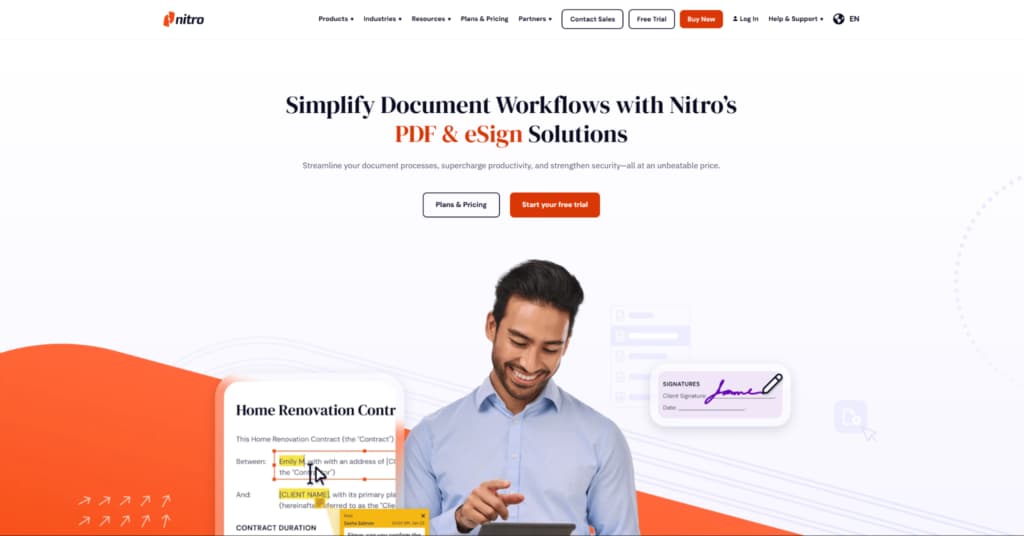
Nitro PDF is designed around office productivity and document collaboration. Watermarking exists alongside conversion, signing, editing, and workflow organization tools. The interface feels business-oriented but stays relatively accessible compared to heavier enterprise systems. The structured editing environment works well for consistent workflows.
Ideal Workflow Match
Nitro PDF fits companies and professionals working with contracts, forms, internal approvals, and shared business documents regularly. The service works especially well when teams need consistency across recurring document tasks.
The platform’s strongest side comes from combining multiple office-focused tools into one editing flow. Key features include:
- Business-oriented editing and signing tools;
- PDF conversion and organization features;
- Structured workflow for recurring office tasks;
- Collaboration-friendly document environment;
- Browser and desktop accessibility.
Nitro PDF works better for structured office workflows than for quick one-time edits. Lightweight browser sessions? Not its strength.
5. PDFelement
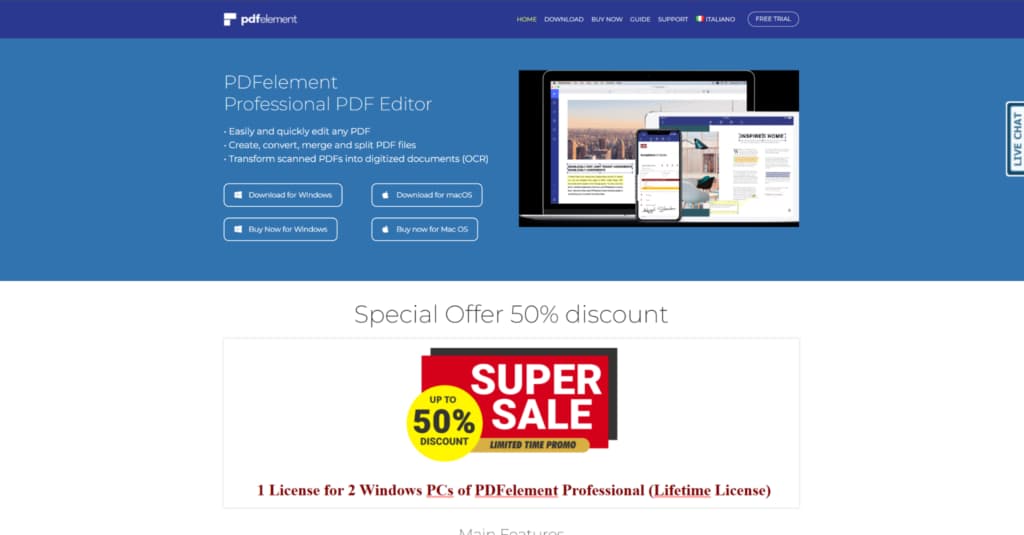
PDFelement is a balanced PDF platform combining editing, conversion, signing, and organization inside one ecosystem. The interface feels more approachable than many business-heavy PDF suites while still offering broad editing flexibility. The service tries to balance usability with deeper document handling features.
Who Will Appreciate It Most
PDFelement fits users who regularly edit PDFs but still want a manageable learning curve. Freelancers, office workers, educators, and mid-sized teams needing broader functionality without overwhelming workflows will like this tool.
The platform becomes especially practical when you want flexible editing without jumping between multiple separate tools. Advantages include:
- Editing, conversion, and signing inside one platform;
- Accessible interface with broader functionality;
- OCR and document organization tools;
- Flexible watermarking and file handling;
- Balanced workflow for mixed editing tasks.
PDFelement sits comfortably between lightweight browser tools and heavier enterprise-focused systems. A solid middle ground.
6. DocHub
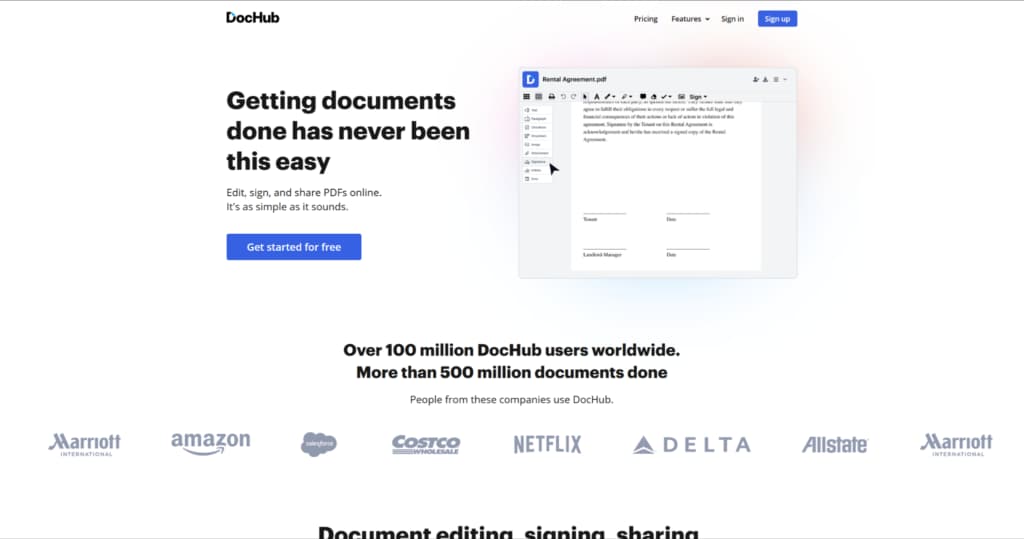
DocHub is a browser-first document platform focused heavily on signing, sharing, and collaborative editing. Watermarking exists alongside annotations, approvals, and cloud-connected workflows. The interface feels lightweight but still supports structured document handling.
Most Useful In These Situations
DocHub works especially well for remote collaboration, client-facing forms, approvals, and shared contracts. Teams constantly exchanging editable documents online will likely benefit from its workflow style.
The platform’s appeal comes from keeping collaboration and document review inside one browser-based environment. Strong points include:
- Browser-first signing and editing tools;
- Cloud-connected document sharing;
- Annotation and approval workflows;
- Lightweight interface for remote collaboration;
- Practical handling of shared PDF documents.
DocHub fits users prioritizing collaboration speed and browser accessibility. Deeper office-style editing systems? Not what this does.
7. Xodo
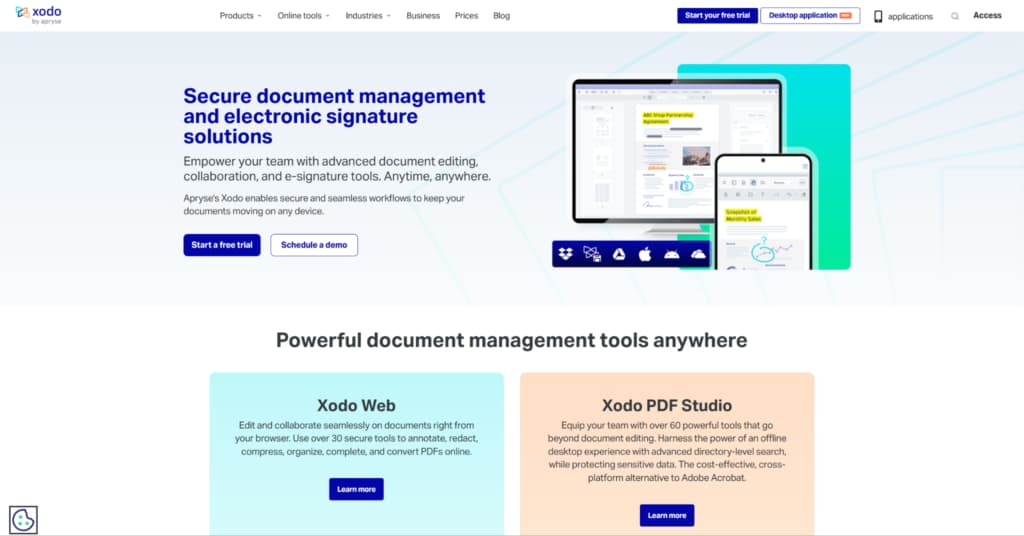
Xodo is a lightweight PDF platform focused on flexibility across browsers, tablets, and mobile devices. Watermarking, annotations, signing, and editing tools all exist inside a cleaner workflow environment. The service feels optimized for accessibility and mobility.
A Strong Option For
Xodo works especially well for remote workers, students, field teams, and users constantly switching between devices. The lightweight workflow makes quick editing and reviewing easier during everyday document handling.
The platform’s biggest strength comes from making PDF workflows accessible across different devices without adding unnecessary complexity. Key features include:
- Mobile-friendly PDF editing workflow;
- Browser and tablet accessibility;
- Lightweight signing and annotation tools;
- Practical file sharing and reviewing features;
- Clean interface for quick editing sessions.
Xodo suits users wanting flexible editing access without moving into larger business-focused ecosystems. Simple and portable.
Final Thoughts
Modern PDF platforms now handle far more than simple editing or file conversion. Some focus on speed and lightweight browser workflows. Others prioritize collaboration, structured document management, signing, or branding. Workflow style matters more than raw feature count when comparing tools.
Freelancers, agencies, educators, businesses, and remote teams all approach PDF handling differently. Some need quick watermarking and editing. Others rely on approvals, signatures, or collaborative document workflows every day. Choose the platform that fits naturally into your routine. Chasing the most feature-heavy system rarely works out well.